ABSTRACT
Skin aging results from both intrinsic and extrinsic factors. A novel skincare formulation has been developed to address these changes using five synergistic components: dual molecular weight hyaluronic acid (HA), Nicotinamide Adenine Dinucleotide (NAD+), liposomal resveratrol, biomimetic peptides, and mannitol. Central to the formulation is the activation of Sirtuin-1 (SIRT1), a longevity-associated gene involved in DNA repair and cellular resilience (1), enhanced through the synergistic action of NAD+ and resveratrol. Two methods: micro-needling, consistent with the product’s authorized cosmetic use, and a five-point injection technique, representing an off-label application, that was conducted in accordance with the ethical principles outlined in the Declaration of Helsinki. Results showed a 55% increase in hydration and a 42% improvement in elasticity for the injection group, compared to 38% and 25%, respectively, for the micro-needling group.
INTRODUCTION
Dual HA for both immediate and long-term results
Skin aging is a multifactorial process characterized by a gradual decline in hydration. Elasticity and structural integrity, resulting from both intrinsic and extrinsic factors. (2). One of the key components in maintaining youthful skin is hyaluronic acid (HA): high molecular weight HA acts on the skin’s surface. Meanwhile low-molecular-weight HA penetrates deeper into the skin. This dual-weight HA formulation provides a synergistic approach enhancing both immediate hydration and long-term structural support (3).
NAD+ and Resveratrol for activation of longevity gene
The efficacy of HA may be potentiated when combined with other bioactive ingredients, such as Nicotinamide Adenine Dinucleotide (NAD+) and resveratrol. NAD+, DNA repair, and mitochondrial function. SIRT1, often referred to as the “longevity gene”, plays a crucial role in maintaining skin vitality by regulating DNA repair, collagen synthesis. and cellular detoxification (8. 9). Resveratrol, a polyphenolic compound has been proven to activate SIRT1, amplifying its effects and enhancing cellular repair, mile also protecting against oxidative stress (10, 11). Various studies (12-14) have demonstrated that combining NAD+ precursors with sirtuin-activating compounds. such as resveratrol, may enhance NAD+ efficacy. supporting healthy aging and reducing age-related degeneration.
Mannitol for Reducing Inflammation and Preserving HA Viscoelasticity
Mannitol plays a crucial role in reducing inflammation and preserving the viscoelastic properties of Hyaluronic in injectable formulations. Additionally, mannitol stabilizes the viscoelastic properties of HA, because of the gel maintains its structure and consistency even after injection.
Biomimetic Peptides of Enhancing Collagen Production
Biomimetic peptides are short chains designed to mimic the natural peptides found in the elasticity and resilience. The addition of biomimetic skin. These peptides play a vital role in promoting skin peptides enhances the skin’s ability to repair itself, re-regeneration and maintaining structural integrity.
MATERIAL AND METHODS
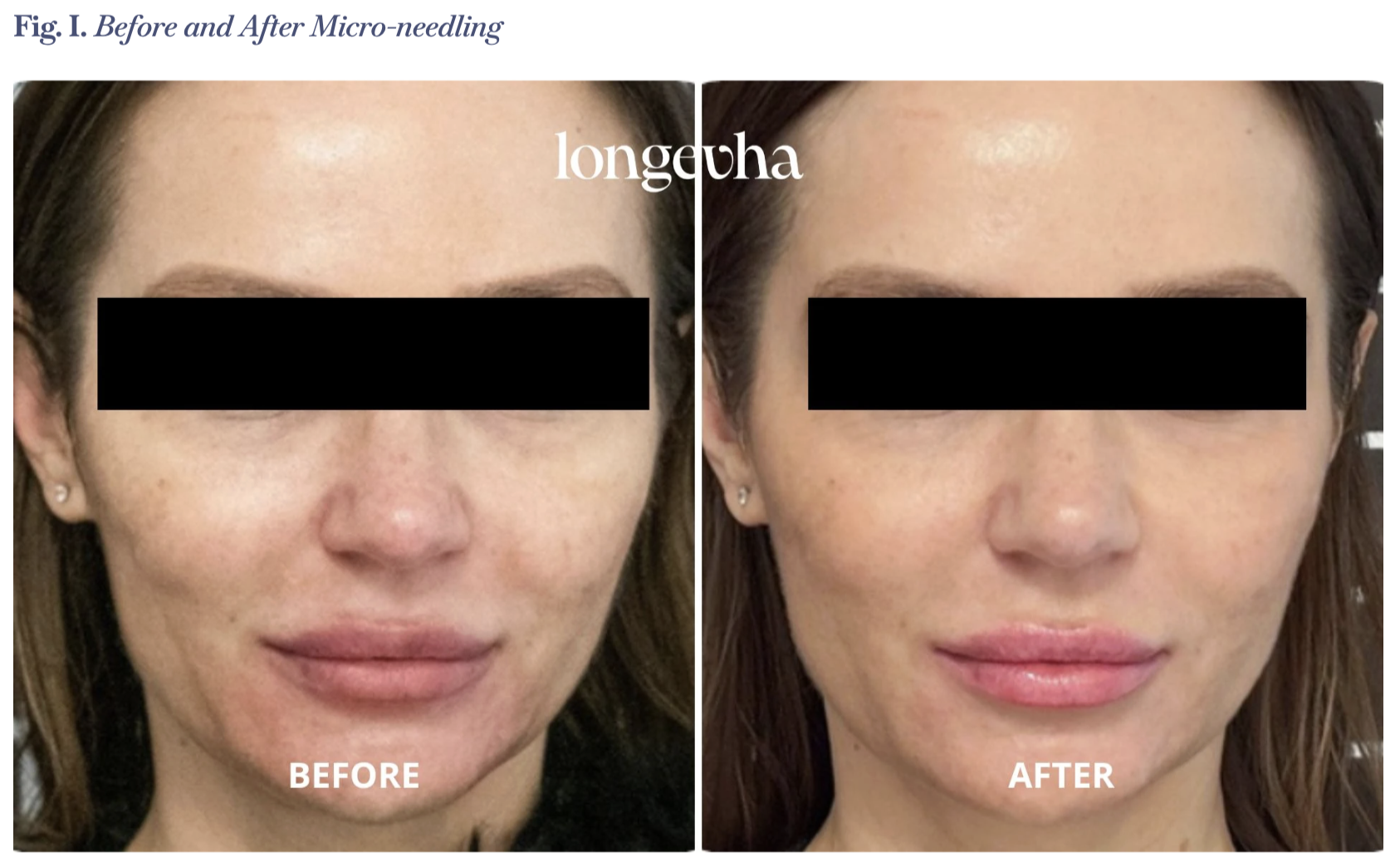
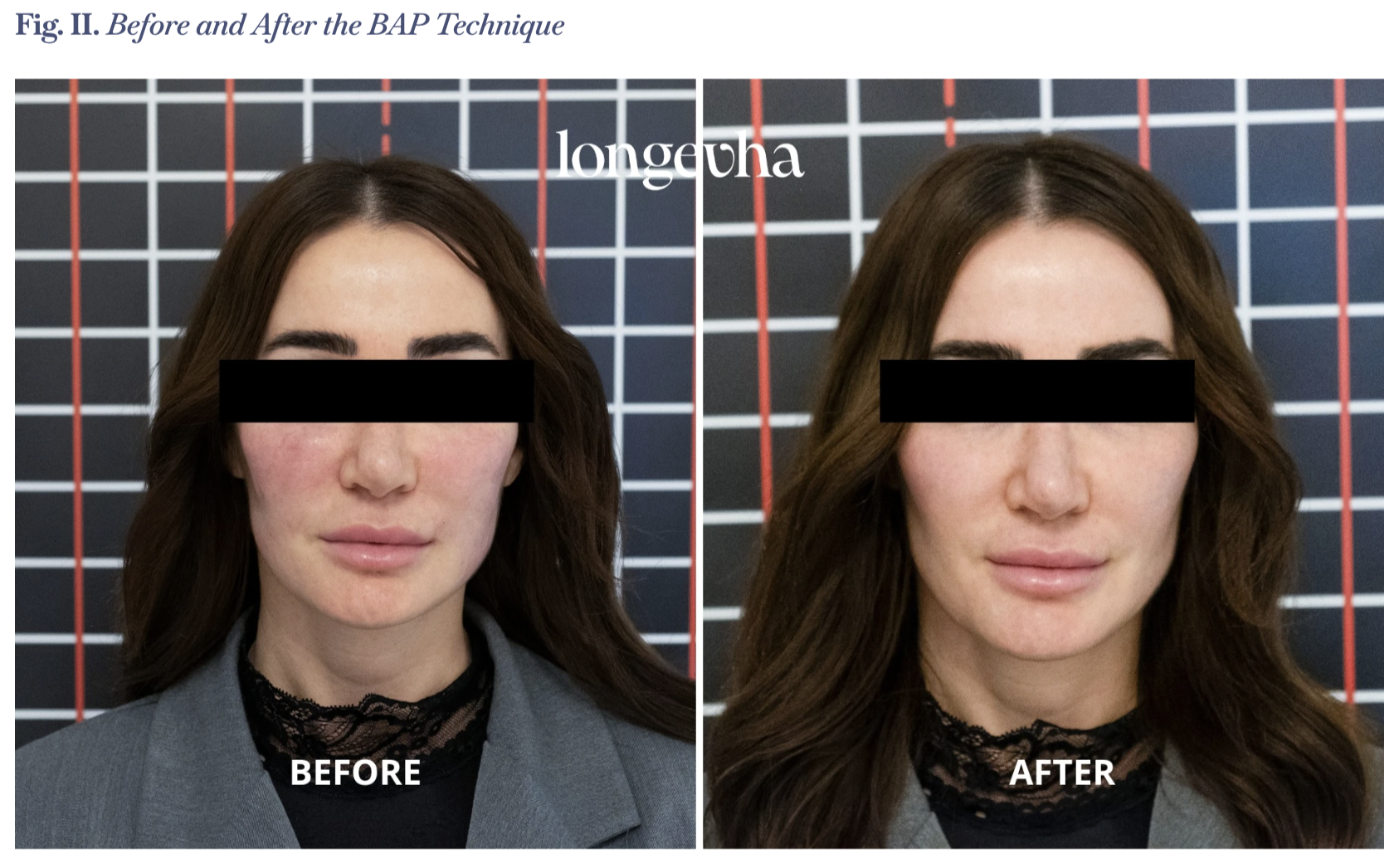
This prospective, randomized clinical study was con- ducted to evaluate the efficacy of a novel skin booster formulation in improving hydration, elasticity, and overall skin appearance. Twenty healthy female participants aged between 35 and 60 years, presenting with mild to moderate skin laxity and dehydration, were en- rolled. Cohort A received micro-needling treatment using a Dermapen device equipped with 12 micro-needles, applied at a uniform needle depth of 0.3 mm. Cohort B underwent a five-point facial injection protocol, in which 0.1 mL of the formulation was injected at each point into the superficial sub-dermal layer. Both cohorts received three treatment sessions spaced three weeks apart, with follow-up assessments conducted nine months post-treatment. Inclusion criteria required participants to have Fitzpatrick skin types I to IV and mild to moderate photoaging (Glogau scale I—III), with no prior aesthetic procedures within six months of study initiation.
RESULTS
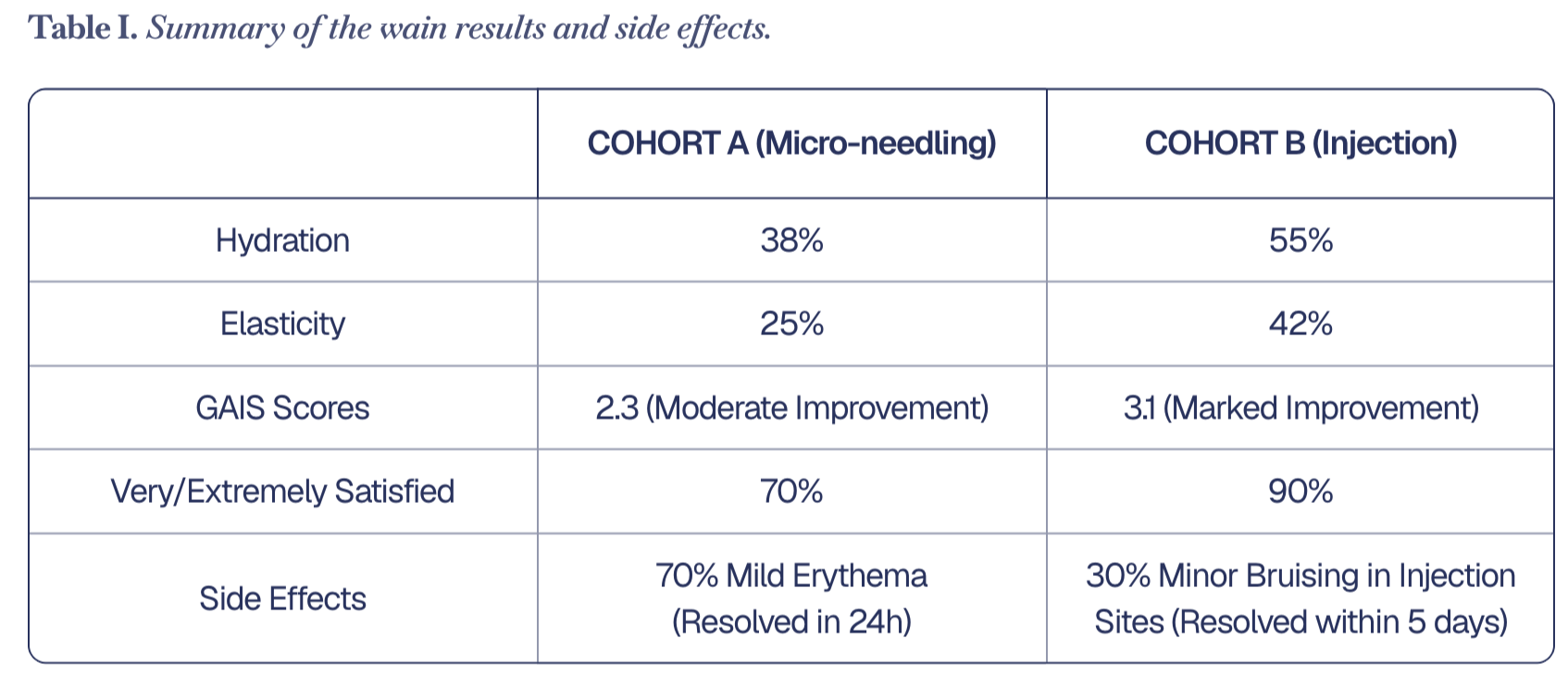
At the nine-month follow-up, both treatment modalities demonstrated significant improvements in skin hydration and elasticity. In Cohort A (micro-needling), skin hydration increased by 38% (Figures 1 and 2), while in Cohort B (injection technique), hydration improved by 55% (Figures 3 and 4). For Cohort A, no topical anesthesia was applied. Post-treatment care included application of a topical hyaluronic acid serum and broad spectrum SPF 50 sunscreen. In Cohort B, topical lidocaine 5% was used prior to injections to minimize discomfort. Post-injection care involved light massage of the treated areas and daily use of SPF 50 sunscreen. Clinical efficacy was assessed through: objective evaluations included skin hydration and elasticity, measured using a Corneometer and Cutometer, respectively. Skin brightness was assessed using standardized digital photography and light reflectance analysis. Subjective assessments included structured patient satisfaction surveys and blinded physician evaluations using the Global Aesthetic Improvement Scale (GAIS).
Patient satisfaction was notably higher in the injection Both treatment protocols were well tolerated with mi- group. In Cohort A, 70% of participants reported minimal adverse effects. In the micro-needling group, 70% being “very satisfied” or “extremely satisfied” with of participants experienced mild erythema that resolved the results, whereas 90% of patients in Cohort B re- within 24 hours. In the injection group, 30% of patients ported the same. Physician-assessed GlobalAesthetic developed minor bruising at the injection sites, which Improvement Scale (GAIS) scores further supported resolved spontaneously within five days. No serious these findings. CohortA achieved a mean GAIS sco adverseevents were reported in either group throu- reof 2.3, indicating moderate improvement, whi- ghout the study period. There were no participant dro- ie Cohort B achieved a higher mean score of 3.1, pouts or exclusions during the study period (Table I). corresponding to marked improvement (p < 0.05). Both treatment protocols were well tolerated with minimal adverse effects. In the micro-needling group, 70% of participants experienced mild erythema that resolved within 24 hours. In the injection group, 30% of patients developed minor bruising at the injection sites, which resolved spontaneously within five days. No serious adverse events were reported in either group through the study period.
The results of this comparative clinical study indicate that the novel skin rejuvenation formulation, comprising dual molecular weight hyaluronic acid (HA), NAD+, resveratrol, biomimetic peptides, and mannitol, significantly improves dermal hydration, elasticity, and patient satisfaction. Notably, delivery via injection (Cohort B) demonstrated superior clinical outcomes compared to micro-needling (Cohort A), underscoring the importance of precise and deeper dermal administration in maximizing therapeutic efficacy. Has confirmed that dual molecular weight HA enhances both superficial and deep dermal hydration. Meanwhile, NAD* and sirtuin-activating compounds, such as resveratrol have shown potential in enhancing mitocondril function, supporting collagen production and reducing oxidative stress in skin cells. The present study is among the first to clinically evaluate a combination therapy, delivered through two distinct modalities.
HA requires adequate dermal penetration to exert viscoelastic support and efficiently attract water molecules. Despite the promising results, several limitations must be acknowledged. Firstly, the sample size was relatively small (n= 20), limiting the generalizability of the findings. Additionally, the study exclusively included female participants aged 35-60 with Fitzpatrick skin types I— IV , thereby excluding potential gender-related and no dermatological variations. The nine-month follow-up period, while sufficient to assess medium-term outcomes, may not fully capture the long-term impact of these regenerative treatments on the skin’s aging trajectory, particularly in relation to intrinsic aging mechanisms that manifest over years rather than months. Another limitation lies in the uniformity of the treat- ment protocol. Fixed injection depths and dosing regimens may not be optimal for all patients, especially considering individual differences in skin thickness, hydration status, and response to bioactive compounds. Moreover, while the study focused on the standalone administration of the formulation, there is an increasing interest in combined aesthetic protocols. Future research should also prioritize objective histological assessments (e.g., biopsy analysis of collagen density and elastin fiber organization), as well as non-invasive markers of mitochondrial function or oxidative stress, to validate the biological effects of NAD+/resveratrol-mediated SIRT1 activation at the tissue level. In conclusion, this study provides robust preliminary evidence supporting the enhanced efficacy of injection-based delivery of a multi-active skin booster formulation targeting hydration, collagen stimulation, and cellular rejuvenation. Continued clinical exploration will be essential to refine protocols and unlock the full potential of regenerative, longevity-based skin-care interventions.