NAD+ (Nicotinamide Adenine Dinucleotide) is a coenzyme essential to cellular energy production and DNA repair. When delivered via injection, as in LongevHA, NAD+ supports sirtuin activation and cellular renewal in ways that oral supplements and topical products cannot match.
NAD+ has been a headline ingredient in the longevity supplement space for several years. Anti-aging clinics offer NAD+ IV drips. Supplement brands promote NAD+ precursors like NMN and NR. The science behind cellular energy and sirtuin activation has attracted serious research interest, including studies linked to Nobel Prize-winning work on sirtuins and aging biology.
Now, NAD+ is entering injectable aesthetics, and LongevHA by Dr. Adams Aesthetics is at the forefront of that shift.
What is NAD+, and what does it do at the cellular level?
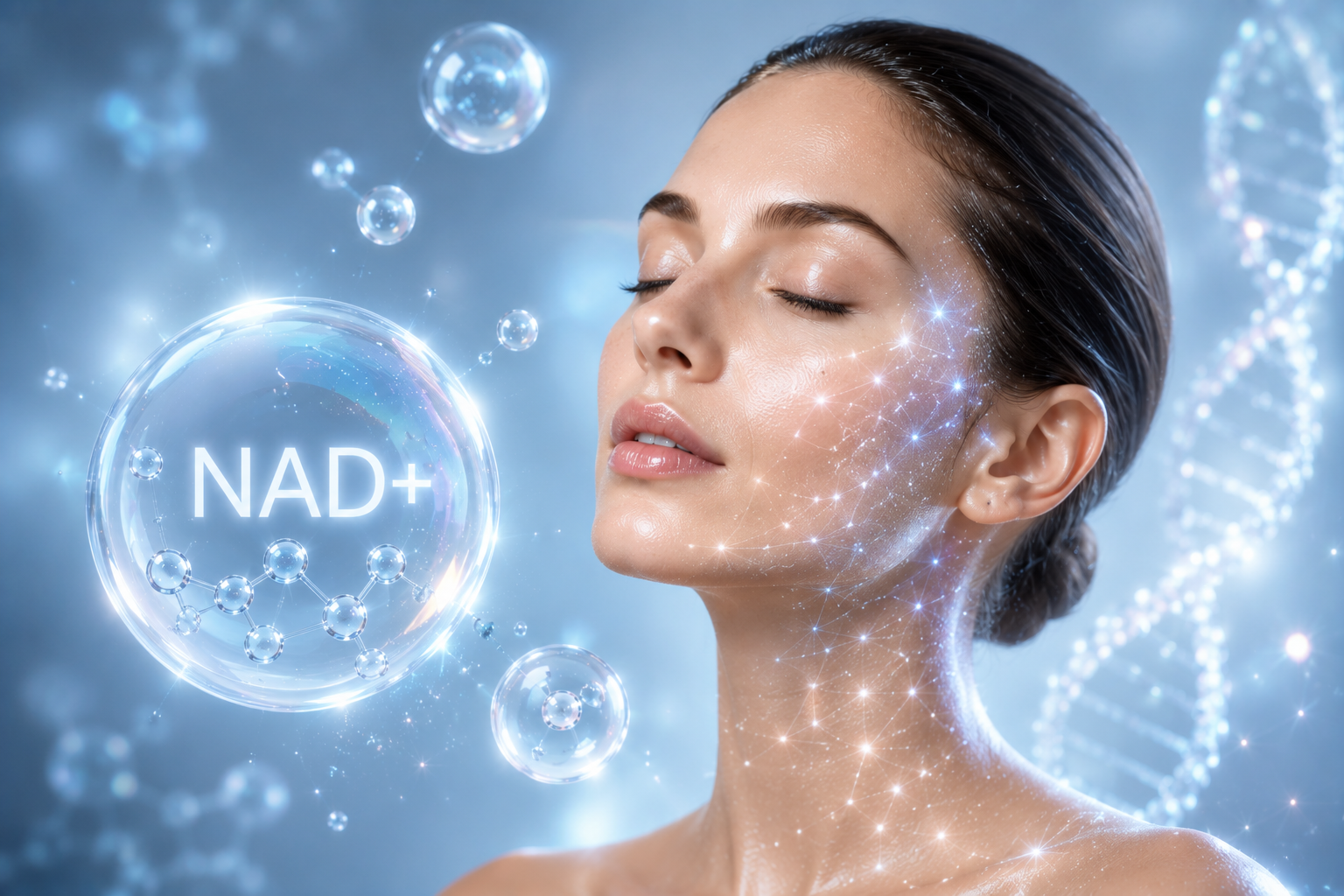
NAD+ is a coenzyme found in every living cell. It plays a central role in cellular energy metabolism, acting as a carrier molecule in the chemical reactions that convert nutrients into usable energy (ATP). Beyond energy production, NAD+ is essential for DNA repair and is a key activator of a family of proteins called sirtuins.
Sirtuins, particularly Sirt1, are often described as “longevity genes” because of their role in regulating cellular aging processes, including inflammation control, DNA repair, and metabolic efficiency. When NAD+ levels are sufficient, sirtuin activity is supported. When NAD+ declines, as it does naturally with age, sirtuin activity falls, and cells become less efficient at repairing and renewing themselves.
In the context of skin, this translates to reduced collagen synthesis, slower cell turnover, and the dull, fatigued appearance associated with cellular aging.
How does LongevHA activate the “time-reverse effect”?
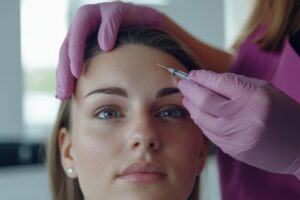
LongevHA delivers NAD+ directly into the dermis via injection, bypassing the absorption limitations of oral and topical delivery routes. Once in the skin, NAD+ supports Sirt1 activation, which Dr. Adams Aesthetics associates with a “time-reverse effect”, a support of the cellular processes that help skin look and behave more youthfully.
LongevHA’s Resveratrol content works synergistically with NAD+ on this pathway. Resveratrol is a well-documented sirtuin activator in its own right. Together, NAD+ and Resveratrol in LongevHA are designed to support cellular renewal from two complementary directions.
Why is injectable delivery more effective than oral or topical NAD+?
Topical NAD+: NAD+ molecules are too large to penetrate intact skin effectively. Topical products containing NAD+ or its precursors are unlikely to deliver meaningful concentrations to the dermal cells where the benefit is needed.
Oral NAD+ precursors (NMN, NR): Oral supplementation can raise systemic NAD+ levels, but the distribution of that NAD+ to skin tissue specifically is indirect and difficult to predict. Injectable delivery places NAD+ exactly where it needs to be.
Injectable LongevHA: Directly delivers NAD+ into the dermis, supporting cellular energy and sirtuin activation at the site of treatment. The effect is localized, targeted, and consistent with each session.
Who is NAD+ skincare most relevant for?
NAD+ injectable skincare is particularly well-suited to patients who:
- Are already familiar with NAD+ from the supplement or longevity wellness space
- Have noticed that their skin looks tired, dull, or slow to recover despite good skincare habits
- Are aged 30 and above, when NAD+ levels begin to decline more noticeably
- Want a science-backed injectable treatment that targets skin quality rather than volume
Ready to elevate your treatment offering? Visit Dr. Adams Aesthetics to order LongevHA for your clinic today.
Frequently Asked Questions
What is NAD+ and why does it matter for skin health?
NAD+ (Nicotinamide Adenine Dinucleotide) is a coenzyme essential for cellular energy production, DNA repair, and sirtuin activation. As NAD+ levels decline with age, skin cells become less efficient at renewal and repair, contributing to dullness, fine lines, and slow recovery.
How does injectable NAD+ differ from NAD+ supplements?
Oral NAD+ supplements raise systemic NAD+ levels indirectly through precursor molecules like NMN or NR. Injectable NAD+ in LongevHA delivers the coenzyme directly to the dermis, supporting localized cellular energy and sirtuin activation with greater precision.
At what age do NAD+ levels start to decline in the skin?
NAD+ levels begin to decline gradually from the late 20s onwards. By the time most people reach their 40s, NAD+ levels in skin tissue may be substantially lower than in their 20s, contributing to the onset of cellular fatigue.